

The Project
Objective
The GloFouling Partnerships and TEST Biofouling Projects share the objective of supporting countries in addressing the environmental and operational impacts of marine biofouling through coordinated, practical, and sustainable approaches.
The Projects
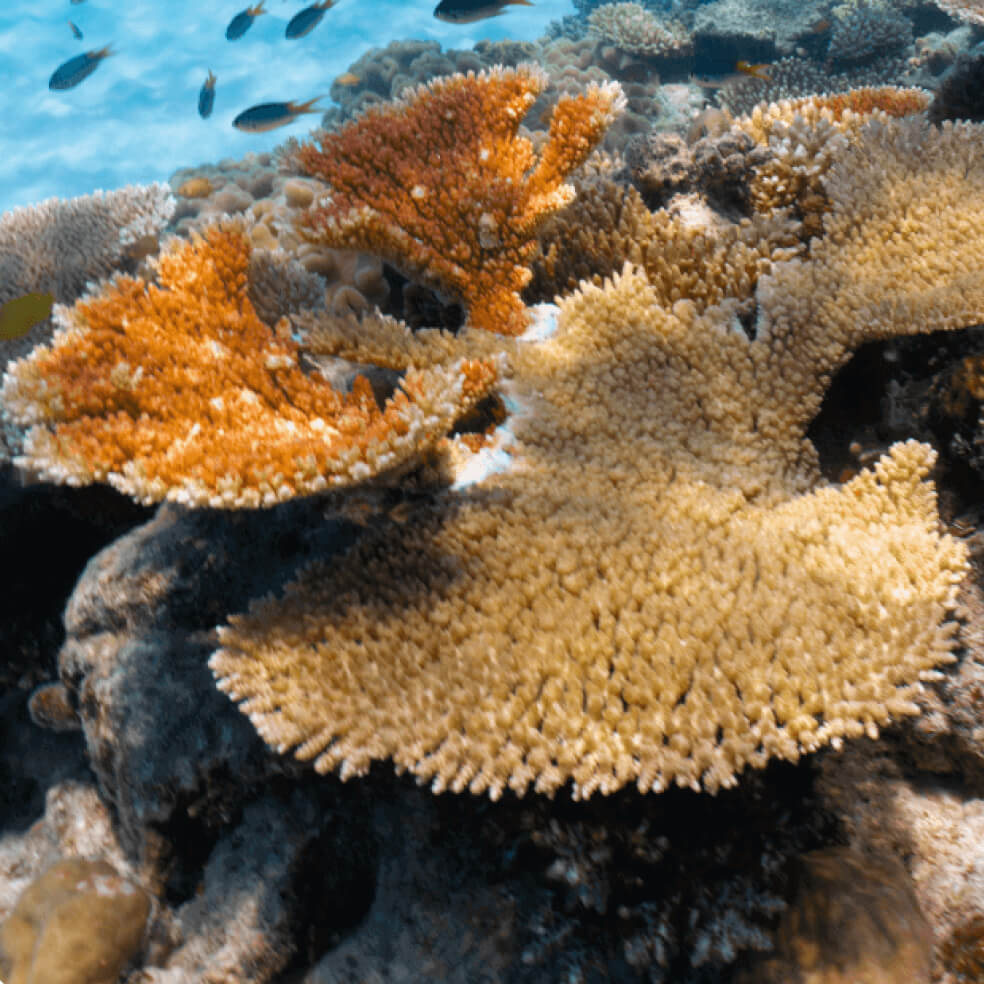
The GloFouling Partnerships Project and the TEST Biofouling Project were developed as complementary initiatives to address the environmental and operational impacts of marine biofouling. Building on the achievements of the GloFouling Partnerships Project which ended in May 2025, the TEST Biofouling Project continues and expands this work through a coordinated global approach.
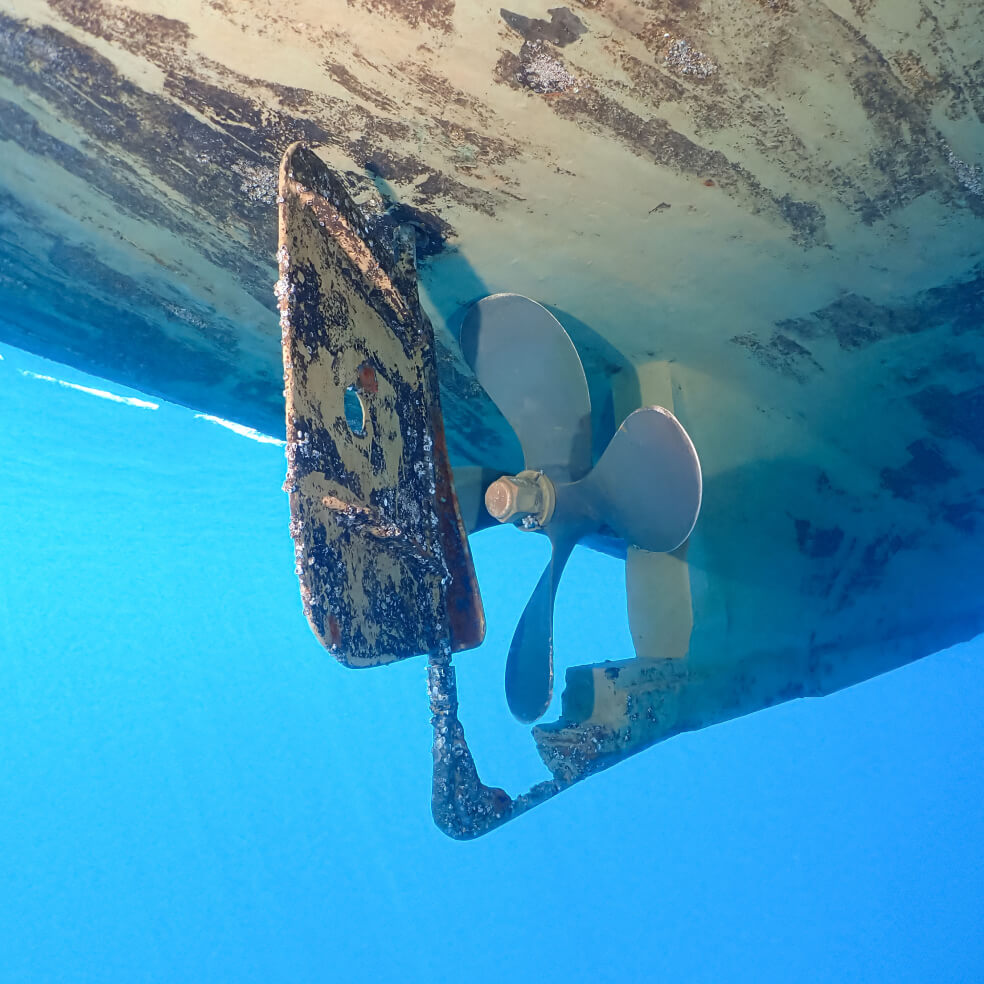
Through a complementary approach, the two projects address these challenges from both operational and policy perspectives. The GloFouling Partnerships Project supported countries in strengthening their capacity to implement the IMO Biofouling Guidelines and reduce the transfer of invasive aquatic species and TEST Biofouling Project builds on this by focusing on demonstrating biofouling management technologies through pilot projects.
Together, the projects have supported partnering countries including Small Island Developing States (SIDS) and Least Developed Countries (LDCs), promoted improved ship energy efficiency, and advanced best management practices across the shipping and wider marine sectors. This integrated approach contributes to the protection of marine ecosystems and the sustainable use of the oceans.
Funding
The GloFouling Partnerships Project was funded by the Global Environment Facility (GEF) and implemented through the United Nations Development Programme (UNDP), with a total budget of approximately USD 6.8 million, and was implemented from 2019 to May 2025.
The TEST Biofouling Project is funded by the Norwegian Agency for Development Cooperation (Norad) with a total contribution of USD 4 million for the period 2022–2026.
Participation
The TEST Biofouling Project is implemented in close cooperation with a wide range of national, regional and international partners. Upon its establishment, the Lead Partnering Countries and Partner Countries of the GEF–UNDP–IMO GloFouling Partnerships Project listed below continued their engagement as beneficiary countries under the TEST Biofouling Project.
The project works with 11 Lead Partnering Countries (LPCs), which play a central role in hosting and implementing national demonstration pilot projects:
Brazil, Ecuador, Fiji, Indonesia, Madagascar, Mauritius, Mexico, Peru, Philippines, Sri Lanka, and Tonga.
In addition, the project engages 15 Partnering Countries (PCs) that participate in regional activities and capacity-building initiatives:
Argentina, Chile, China, Comoros, Djibouti, Iran, Jamaica, Jordan, Malaysia, Nigeria, Panama, Somalia, Sudan, Suriname, Tuvalu.
The project is implemented in collaboration with regional implementing partners, including Maritime Technology Cooperation Centres (MTCCs).
The project also works with strategic partners from the public and private sectors and actively promotes the involvement of women’s associations and networks, in line with IMO’s commitment to gender equality and the empowerment of women in the maritime sector.
This multi-stakeholder approach ensures that project activities are regionally relevant, technically sound, and supportive of long-term capacity-building and sustainable biofouling management.