



The Issue
Biofouling is the accumulation of microorganisms, plants, and animals on ship hulls and other submerged marine surfaces. It is a significant environmental and operational challenge for the maritime sector. It contributes to the spread of invasive aquatic species and increases fuel consumption and greenhouse gas emissions due to added drag on vessels.
Together, the projects support Developing Countries including Small Island Developing States (SIDS) and Least Developed Countries (LDCs), promote energy-efficient shipping, and encourage the uptake of best management practices across maritime and related marine sectors – contributing to the protection of marine ecosystems worldwide.
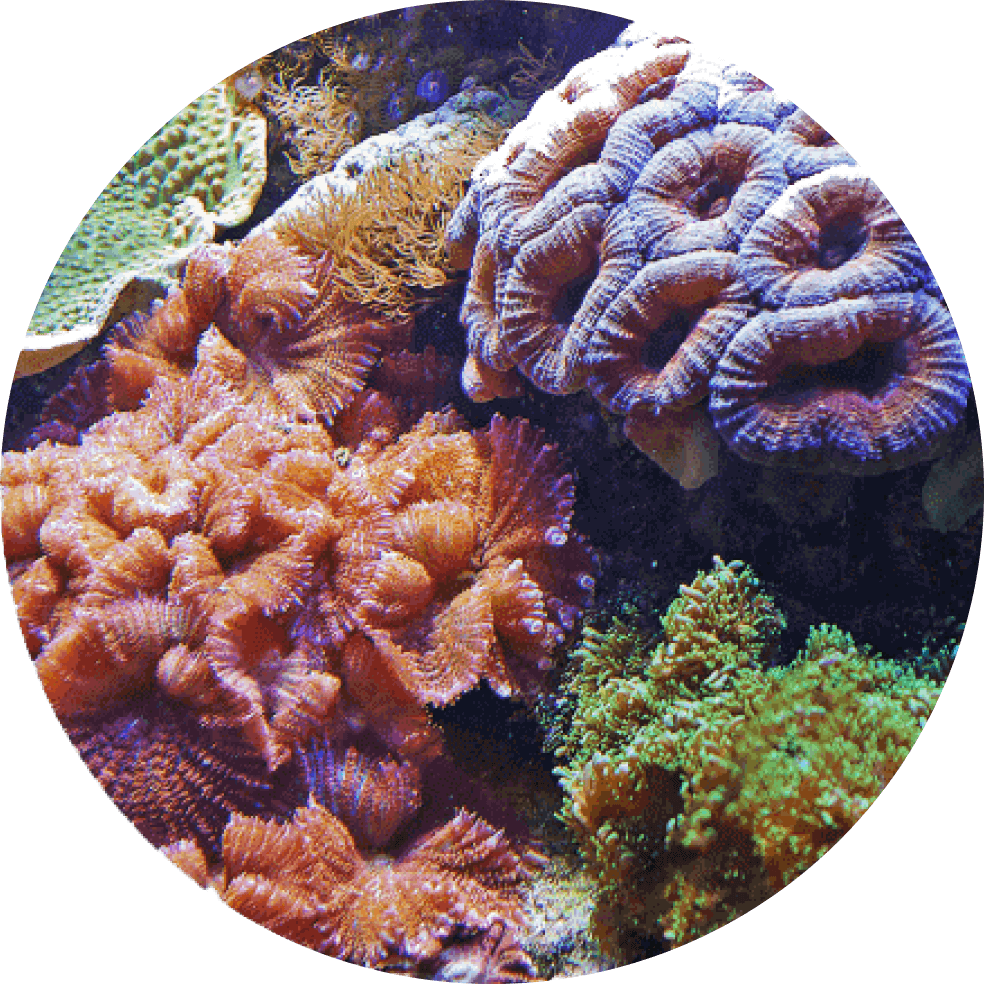
Invasive aquatic species (IAS)
The introduction and spread of invasive aquatic species (IAS) is recognized as a significant threat to marine and coastal biodiversity, ecosystem health, and economic activities. IAS can disrupt native species and habitats and lead to long-term environmental and socio-economic impacts by displacing native species and introducing pathogens.

Biofouling and ballast water
Ships’ ballast water has long been regarded as the primary pathway for the transfer of aquatic organisms between marine environments. Considerable progress has been achieved in managing this risk through international cooperation and regulatory measures (including the implementation of the International Convention for the Control and Management of Ships’ Ballast Water and Sediments – BWM Convention), which entered into force in September 2017.
While these measures have strengthened the control of species transfer via ballast water, scientific and technical evidence indicates that the role of biofouling as a vector for the transfer of aquatic organisms requires strengthening.
Accordingly, effective biofouling management consistent with the IMO Biofouling Guidelines, in conjunction with ballast water management, is crucial to protect marine ecosystems.
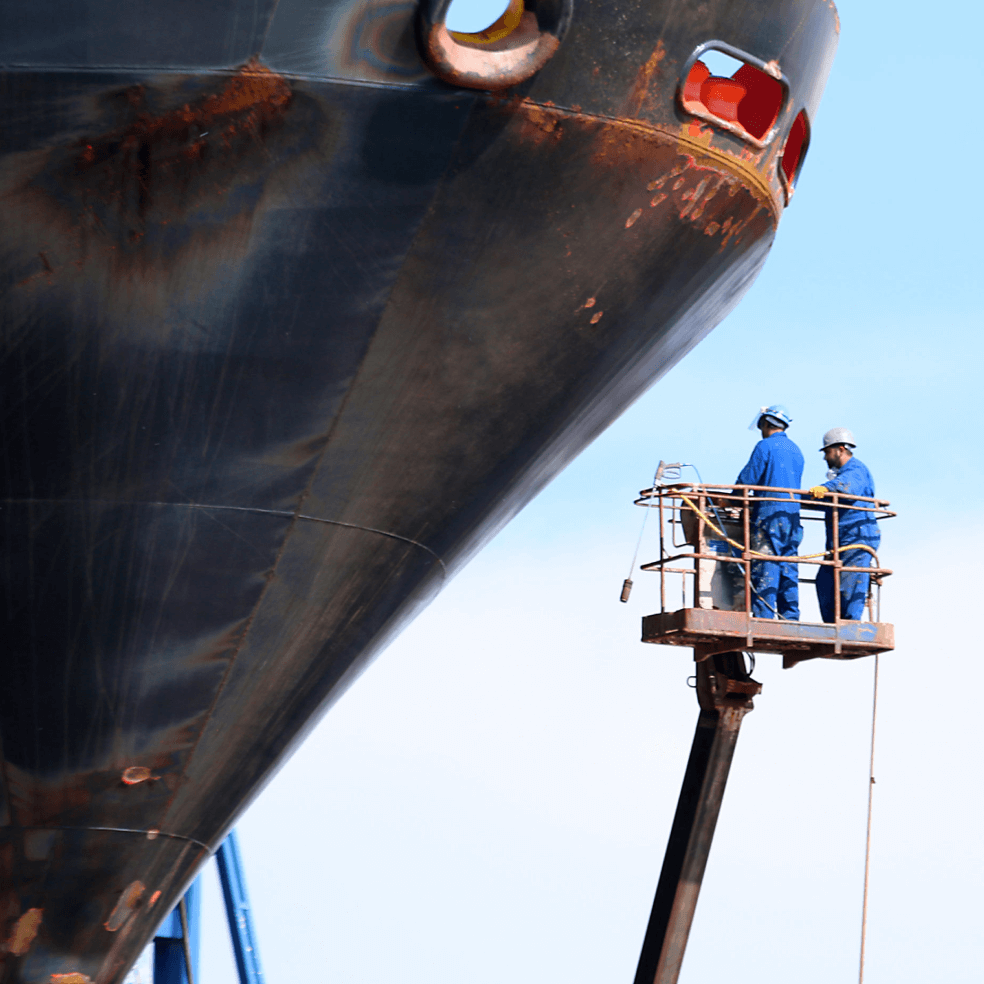
Biofouling and impacts Greenhouse gas (GHG) emissions
Biofouling on ships’ hulls increases surface roughness, leading to higher hydrodynamic resistance and reduced propulsion efficiency. This results in increased fuel consumption and, consequently, higher greenhouse gas (GHG) emissions.
Effective biofouling management therefore supports improved ship energy efficiency and contributes to the reduction of GHG emissions from international shipping. Biofouling management is also relevant to the implementation of IMO energy efficiency measures, including the Energy Efficiency Existing Ship Index (EEXI), the Carbon Intensity Indicator (CII), and the Ship Energy Efficiency Management Plan (SEEMP). Maintaining a clean hull and managing biofouling can assist ships in achieving and maintaining required efficiency performance levels under these instruments.