Pilot Projects

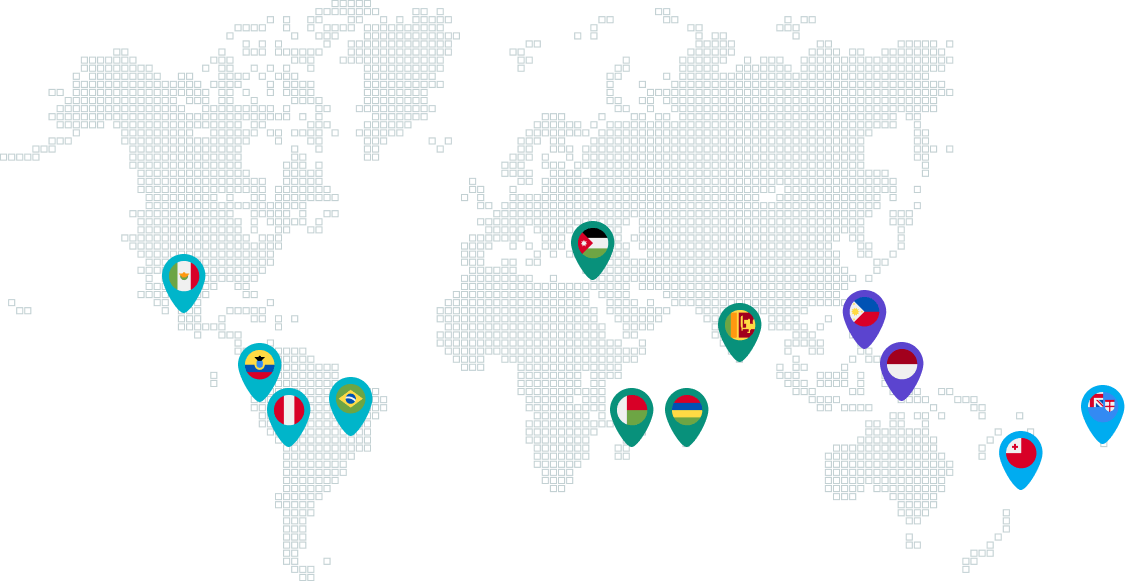
Demonstration pilot projects illustrate practical solutions in selected ports and shipyards worldwide, featuring regional exchange on technological advancements and best practices related to biofouling management. This includes showcasing demonstration projects that emphasize cost-effective methods and country-level technologies in TEST Demonstration Lead Countries. More advanced technologies and their applications are piloted at the regional level in selected areas, with coordination and support from MTCCs at agreed demonstration sites.

The Project is supporting plans to initiate national demonstration pilots encompassing various activities tailored to project’s Lead Partnering Countries’ needs. These activities include but not limited to:

Conducting video assessments of biofouling on high-risk ships during port visits using Remotely Operated Vehicles (ROVs), at the national level, in collaboration with potential knowledge and technology partners.

Comparative testing of antifouling paints, including both traditional hard antifouling (AF)paints and newer, environmentally friendly options, alongside showcasing technologies andpractices relevant to recreational boating.

Demonstrating risk assessment methodologies for invasive species, focusing on monitoring and assessing ship characteristics, antifouling measures, and environmental conditionsrelated to biofouling.

Brazil
Ecuador
Fiji
Indonesia
Jordan
Madagascar
Mauritius
Mexico
Peru
Philippines
Sri Lanka
Tonga

MTCC Africa
MTCC Caribbean
MTCC Asia
MTCC Pacific
Brazil

Brazil

Country:
Brazil
Date:
2024
Technology Used:
TBD
Port/Location:
TBD
MTCC:
Caribbean
Information
More information will be available soon.
Ecuador

Ecuador

Country:
Ecuador
Date:
2025
Technology Used:
In-water inspection
Port/Location:
Port of Manta, Ecuador
MTCC:
Caribbean
Information
More information will be available soon.
Fiji

Fiji

Country:
Fiji
Date:
2024
Technology Used:
TBD
Port/Location:
TBD
MTCC:
Pacific
Information
More information will be available soon.
Indonesia

Indonesia

Country:
Indonesia
Date:
2025
Technology Used:
TBD
Port/Location:
TBD
MTCC:
Asia
Information
More information will be available soon.
Jordan

Jordan

Country:
Jordan
Date:
2025
Technology Used:
TBD
Port/Location:
TBD
MTCC:
Africa
Information
More information will be available soon.
Madagascar

Madagascar

Country:
Madagascar
Date:
2025
Technology Used:
TBD
Port/Location:
TBD
MTCC:
Africa
Information
More information will be available soon.
Mauritius

Mauritius

Country:
Mauritius
Date:
2025
Technology Used:
TBD
Port/Location:
TBD
MTCC:
Africa
Information
More information will be available soon.
Mexico

Mexico

Country:
Mexico
Date:
2025
Technology Used:
TBD
Port/Location:
TBD
MTCC:
Caribbean
Information
More information will be available soon.
Peru

Peru

Country:
Peru
Date:
2025
Technology Used:
TBD
Port/Location:
TBD
MTCC:
Caribbean
Information
More information will be available soon.
Philippines

Philippines

Country:
Philippines
Date:
2025
Technology Used:
TBD
Port/Location:
TBD
MTCC:
Asia
Information
More information will be available soon.
Sri Lanka

Sri Lanka

Country:
Sri Lanka
Date:
2025
Technology Used:
TBD
Port/Location:
TBD
MTCC:
Africa
Information
More information will be available soon.
Tonga

Tonga

Country:
Tonga
Date:
2025
Technology Used:
TBD
Port/Location:
TBD
MTCC:
Pacific
Information
More information will be available soon.

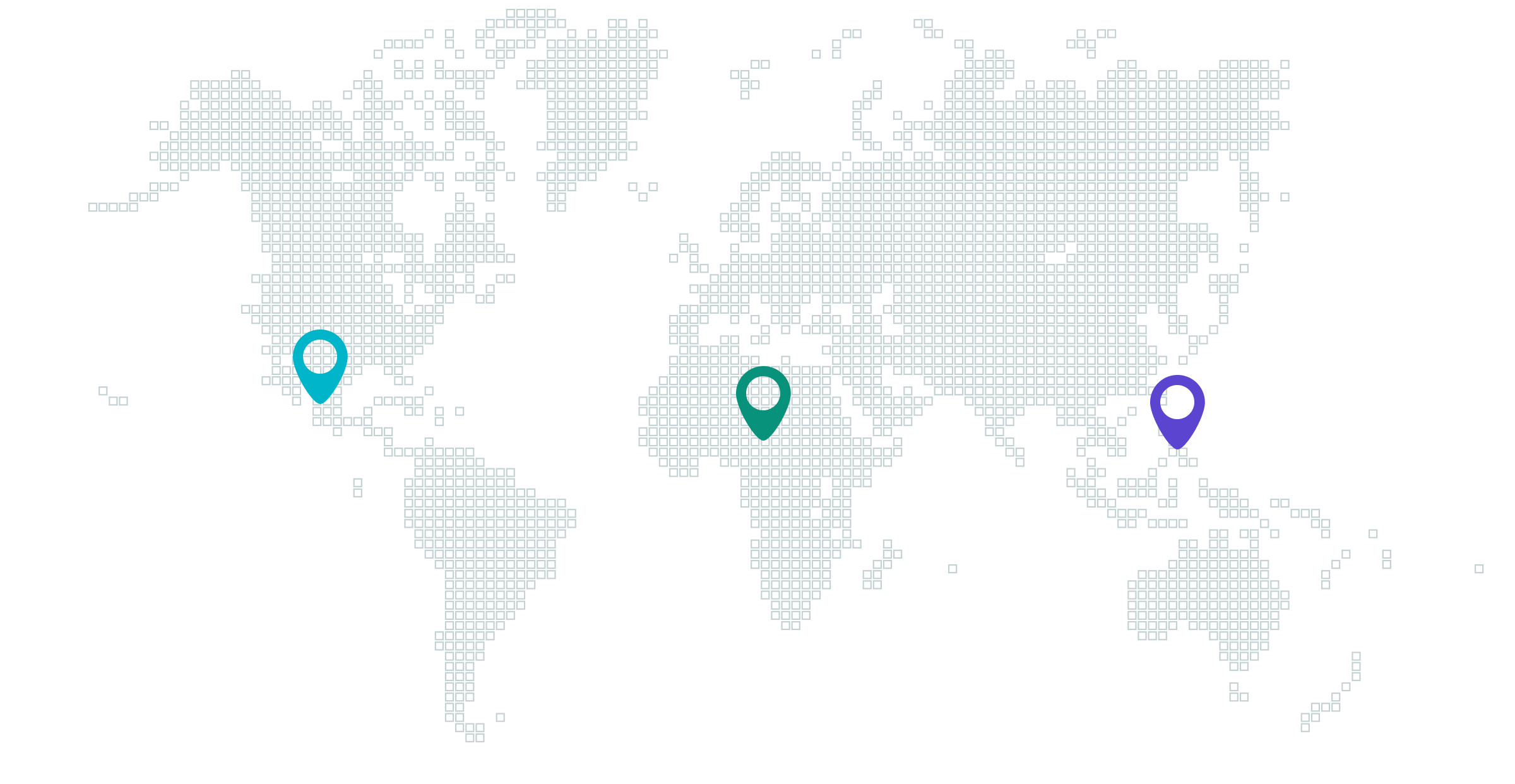
In collaboration with Maritime Technology Cooperation Centres (MTCCs), the Project will implement regional demonstration pilots across three different regions: Africa, the Caribbean, and the Asia/Pacific with the aim to:

Showcase demonstrations of ship biofouling in-water cleaning technologies, incorporating both reactive approaches for hard fouling and proactive methods to prevent macrofouling, with the involvement of knowledge hubs and partners.

Highlight cutting-edge biofouling in-water cleaning technologies, ensuring that Small Island Developing States (SIDS) and Least Developed Countries (LDCs) can benefit from these regional initiatives and contribute to priority setting in this field.

Africa

Lorem ipsum dolor sit amet consectetur. Ut nibh tincidunt at arcu vel justo. Pharetra adipiscing nisl elementum at nibh. Feugiat nec amet quis vel.

Caribbean

Caribbean demo is scheduled to take place from 8-10 July 2024 in Panama. More information will beavailable soon.

Asia Pacific

Lorem ipsum dolor sit amet consectetur. Ultricies lacus cursus vitae pharetra dui felis feugiat ornare vulputate. Gravida facilisi sagittis enim gravida urna.

Achievement of all the outputs programmed for the GloFouling Partnerships requires a holistic and collaborative approach with the maximum number of stakeholders and experts related with different aspects of biofouling management and prevention of the transfer of non-indigenous species.

Strategic partnership is open to international organizations and institutions, government agencies, international industry associations, research centres and universities and international NGOs that are willing to provide input, technical and scientific expertise and to support project activities, participate in R&D forums, expert workshops and other meetings.

​During the preparation phase and the first year of running, the project has secured the support from an ample spectrum of strategic partners that represent the shipping industry, classification societies, coatings industry, ports and marinas, etc. For any inquiries, interested institutions and countries should contact the Project Coordination Unit –

Government agencies

UN organizations and International Financial Institutions (IFIs)

Regional Organizations

International Environmental NGOs

The GloFouling Partnerships is a collaboration between the Global Environment Facility (GEF), the United Nations Development Programme (UNDP) and the International Maritime Organization (IMO). The project also includes stakeholder and process engagement at global, regional and national levels, including the role of IOC-UNESCO as an Executing Partner (IMO Responsible Party).

Lead Organizations

Other Implementing Partners

Global Environment Facility

Global Environment Facility

The Global Environment Facility was established on the eve of the 1992 Rio Earth Summit to help tackle our planet’s most pressing environmental problems. Since then, the GEF has provided over $18.1 billion in grants and mobilized an additional $94.2 billion in co-financing for more than 4500 projects in 170 countries. Today, the GEF is an international partnership of 183 countries, international institutions, civil society organizations and the private sector that addresses global environmental issues. An independently operating financial organization, the GEF provides grants for projects related to biodiversity, climate change, international waters, land degradation, the ozone layer, persistent organic pollutants (POPs), mercury, sustainable forest management, food security, sustainable cities. For the GloFouling Partnerships, the GEF is providing a US$6.9 million grant as seed funding.

​The GloFouling Partnerships will directly support the International Waters (IW) focal area of the GEF-6 Results Framework. In particular, the GloFouling project addresses International Waters Objective 1, which seeks to catalyse sustainable management of transboundary water systems by (Component 1) supporting multi-State cooperation through foundational capacity building, targeted research and portfolio learning, as well as Objective 3, which aims to enhance multi-state cooperation and catalyse investments to foster sustainable fisheries, restore and protect coastal habitats, and reduce pollution of coasts and Large Marine Ecosystems, particularly Component 6, Prevent the Loss and Degradation of Coastal Habitat. In the context of the IW Objective 1, the GEF-6 IW Strategy makes specific reference to GEF’s commitment to continue to engage in addressing global IAS issues in paragraph 37, “Building on IW’s success in support of implementation of the Ballast Water Management Convention (through the ‘GloBallast’ project) and the strong partnership with the IMO, the GEF will pursue additional activities in support of the International Guidelines on Ships’ Biofouling”.

Due to the dual impact of biofouling on the transfer of IAS and on global GHG emissions, the GloFouling Project would also specifically address the GEF Climate Change Mitigation focal area. Objective 1 of the GEF-6 Climate Change Mitigation Focal Area Strategy aims to promote innovation, technology transfer and supportive policies and strategies. Within this objective, Program 2 calls for projects that develop and demonstrate innovative policy packages and market initiatives to foster a new range of mitigation actions, while Program 1 aims to promote the timely development, demonstration, and financing of low carbon technologies and mitigation options.


READ MORE

United Nations Development Programme

Global Environment Facility

The United Nations Development Programme is the United Nations’ global development network. It advocates for change and connects countries to knowledge, experience and resources to help people build a better life for themselves. UNDP works to eradicate poverty and reduce inequalities through the sustainable development of nations, in more than 170 countries and territories. The UNDP was founded on 22 November 1965 with the merging of the Expanded Programme of Technical Assistance (EPTA) and the Special Fund.

UNDP works in cooperation with other UN agencies, the Global Environment Facility, international financial institutions, regional organizations, NGOs, the private sector and others to improve water and ocean management and sustain livelihoods at local, national, regional and global scales through effective water and ocean governance.

UNDP-GEF has developed and applied a series of strategic planning methodologies that have proven highly effective at facilitating regional and national governance reforms towards sustainable, integrated management of multi-country freshwater and marine systems. These instruments include the GEF’s Transboundary Diagnostic Analysis/Strategic Action Programme process; Integrated Coastal and Water Resources Management: and building on regional and global legal frameworks. Each approach follows a similar overall process of prioritising water or ocean issues; identifying barriers to sustainable use; determining appropriate mixes of policy instruments to remove barriers; and implementing agreed reforms and investmentsThe UNDP-GEF’s International Waters portfolio applies the methodologies described above across four ‘signature’ programmes: Large Marine Ecosystems; Transboundary Lakes, Rivers and Aquifers; Integrated Water Resources and Coastal Area Management; and Global Programmes. To date, the portfolio has supported over 100 countries with over $750 million in grants to sustainably manage their shared water systems including: 13 Large Marine Ecosystems (LME), 13 river basins, six lakes and three aquifers.

For the GloFouling Partnerships, UNDP is the implementing agency for GEF and IMO is the Implementing Partner for UNDP. Thus a Project Executive Committee (ExCom) representing UNDP and IMO will provide high-level coordination and support for the implementation of the project.

READ MORE

International Maritime Organization

The implementing and executing agency

IMO – the International Maritime Organization – is the United Nations specialized agency with responsibility for the safety and security of shipping and the prevention of marine and atmospheric pollution by ships. IMO’s work supports the UN SDGs. IMO is the global standard-setting authority for the safety, security and environmental performance of international shipping. Its main role is to create a regulatory framework for the shipping industry that is fair and effective, universally adopted and universally implemented.

From the perspective of international shipping, the project builds its base from the 2011 Guidelines for the control and management of ships’ biofouling to minimize the transfer of invasive aquatic species (IMO Biofouling Guidelines, IMO resolution MEPC.207(62)), which are intended to provide a globally consistent approach to the management of biofouling. Although these Guidelines are largely focussed on large ships, they can also apply to other marine vessels.

Biofouling management can be an effective tool in enhancing energy efficiency and reducing air emissions from ships through improved hull maintenance translating into improved hydrodynamic performance. The GloFouling project will also contribute to fostering cooperation that will result in improved environmental outcomes within the shipping and other maritime industry sectors and will also result in cost savings through improved energy efficiency and reduced fuel consumption. This has been recognized by the IMO and is reflected in the 2016 Guidelines for the development of a Ship Energy Efficiency Management Plan (SEEMP) (resolution MEPC.282(70))

READ MORE

Intergovernmental Oceanographic Commission (IOC) of UNESCO

The marine science side of the United Nations

The Intergovernmental Oceanographic Commission of UNESCO (IOC-UNESCO), established in 1960 as a body with functional autonomy within UNESCO, is the only competent organization for marine science within the UN system. The purpose of the Commission is to promote international cooperation and to coordinate programmes in research, services and capacity-building, in order to learn more about the nature and resources of the ocean and coastal areas and to apply that knowledge for the improvement of management, sustainable development, the protection of the marine environment, and the decision-making processes of its Member States.

IOC will take the lead in delivering activities on the non-shipping aspects of the GloFouling Project. Preliminary discussions between IMO and IOC-UNESCO have considered the possibility of establishing of a new working group of the Joint Group of Experts on the Scientific Aspects of Marine Environmental Protection (GESAMP). It is expected that FAO, WMO, ISA and other relevant international organisations would play a supporting role in the review of biofouling management practices in non-shipping pathways such as aquaculture, fisheries or deep-sea mining, through their participation in this newly created GESAMP working group

READ MORE

World Ocean Council (WOC)

The international business alliance for corporate ocean responsibility

The World Ocean Council (WOC) is a global, cross-sectoral ocean industry leadership alliance committed to “Corporate Ocean Responsibility”, developed by and for the private sector, with a unique and multi-sectoral approach to address cross-cutting issues affecting ocean sustainable development, science and stewardship of the seas. The WOC believes that responsible and coordinated Ocean Business Community efforts are essential to a healthy and productive global ocean and its sustainable use, development and stewardship by a responsible Ocean Business Community.

To coordinate contributions and participation from private sector companies outside the shipping industry (non-shipping pathways), the World Ocean Council (WOC) has been identified as an international, multi sectoral institution that is in the best position to approach the leading industries related to non-shipping pathways and to focus on long-term private sector engagement for improved biofouling management. The WOC will include the project and its private-sector components in its regular agenda, taking responsibility for the sectors that are not regulated by IMO. This will include creating an industry task force similar to the Global Shipping Industry Alliance (GIA) for Marine Biosafety, an investment platform for financing technology development, and holding a series of forums for private sector engagement to channel private sector contributions for the development of best practices.

READ MORE