


The Issue
Biofouling—the build-up of microorganisms, plants, and animals on ship hulls and other marine structures—is more than just a maintenance headache. It creates two major global problems:
By combining strengths, the project delivers both innovation and capacity building: TEST demonstrates cutting-edge, sustainable technologies through pilot projects in developing regions, while GloFouling builds the capacity of countries to implement the IMO Biofouling Guidelines and reduce the spread of invasive aquatic species.
Together, this partnership supports Small Island Developing States (SIDS) and Least Developed Countries (LDCs), promotes energy efficiency, and advances best practices across shipping and other marine sectors—protecting oceans and ecosystems worldwide.
Biofouling and ballast water
In the past, there was a widely held belief that the primary source of introducing non-indigenous species was ships’ ballast water. Over the last decade, substantial strides have been made in addressing this mode of transportation through initiatives such as the GEF-UNDP-IMO GloBallast Partnerships Project and the enforcement of the International Convention for the Control and Management of Ships’ Ballast Water and Sediments (BWM Convention) since its date of entry into force on 8 September 2017. Despite the implementation of new measures to regulate invasive species transfer via ballast water, recent research suggested that the potential role of biofouling has been underestimated. In fact, biofouling might represent the most prevalent mechanism for the introduction of non-indigenous species.
Biofouling and AIS
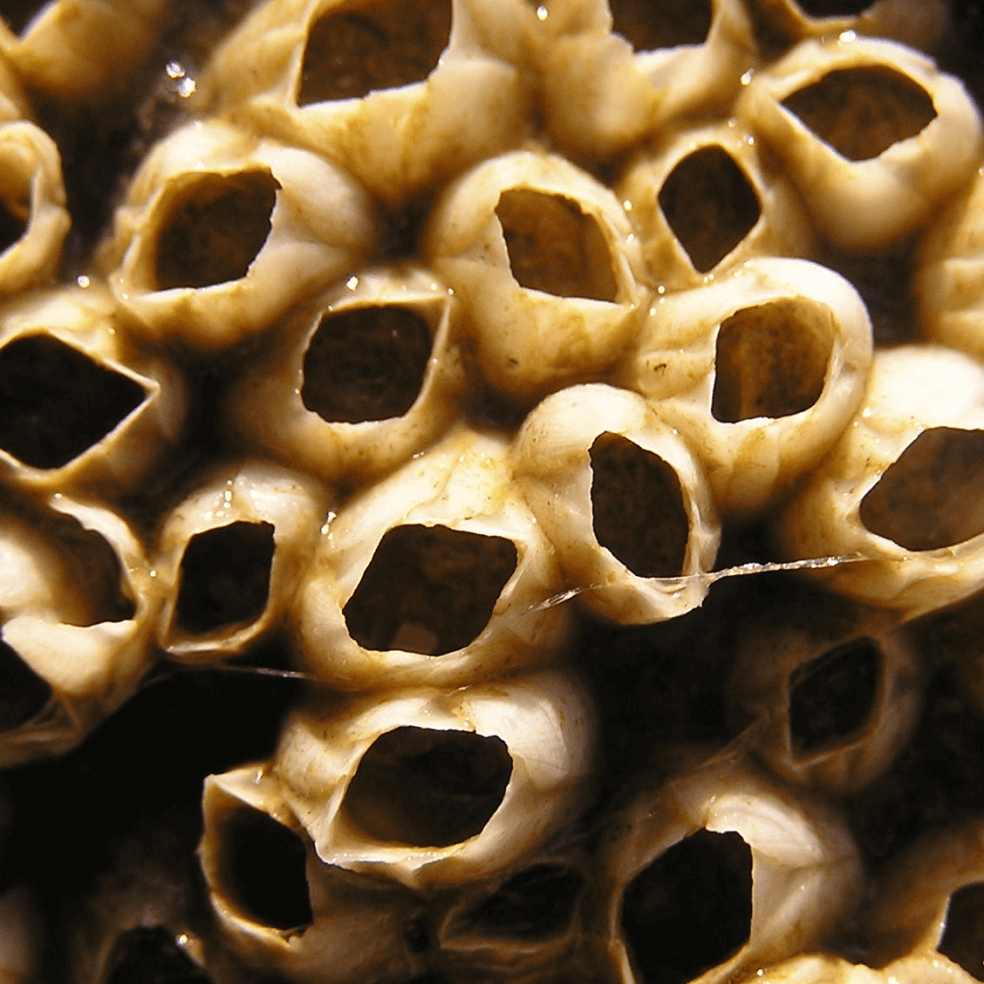
The introduction and establishment of Invasive Aquatic Species (IAS) is considered to be one of the greatest threats to the world’s freshwater, coastal and marine ecosystems. Biofouling is the accumulation of microorganisms, plants, algae, or small animals on wet surfaces that have a mechanical function, causing structural or other functional deficiencies. Biofouling has been identified as one of the key pathways for the transfer of IAS.
GHG Emissions
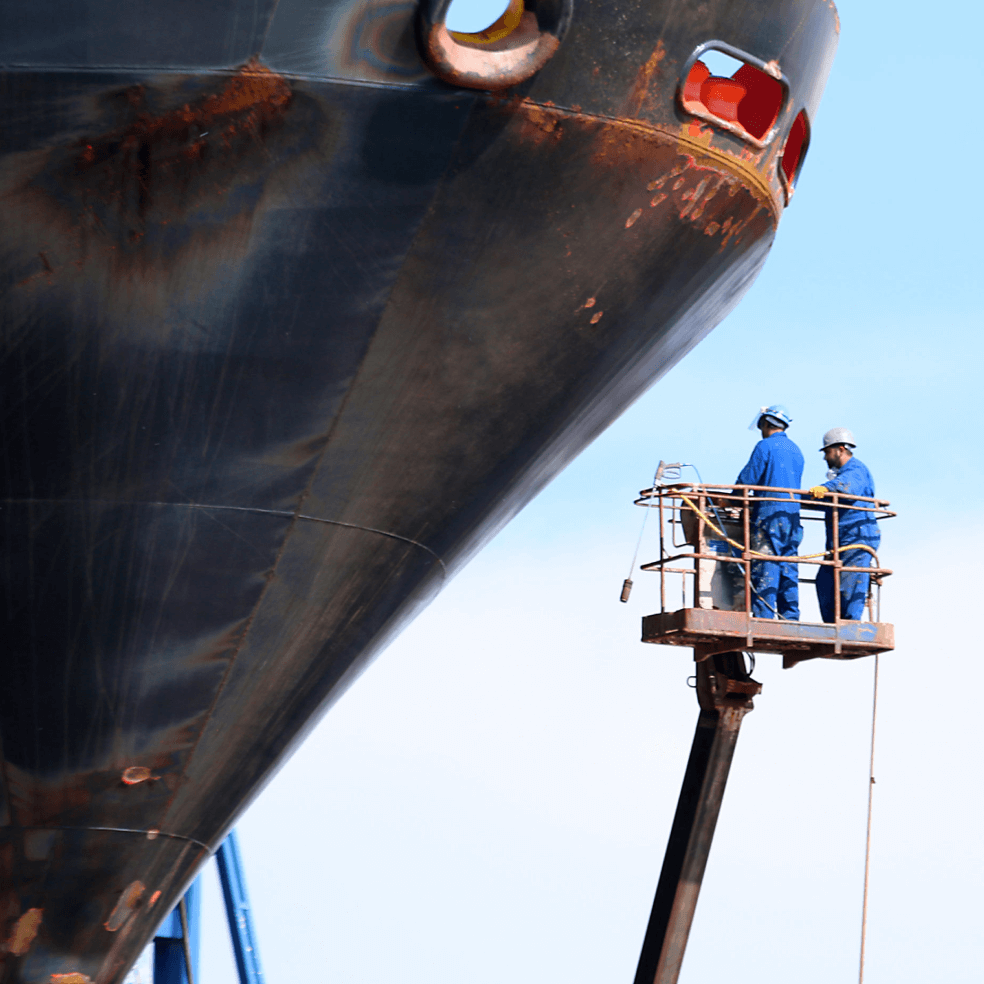
Biofouling on ships’ hulls increases hull surface roughness, which in turn increases frictional resistance and ultimately increases fuel consumption and total GHG emissions. The penalty in fuel consumption can vary significantly due to a wide range of technical and operational parameters. For this purpose and to give a better understanding on the subject, the , but it may be in the order of 2% to 12% for a ship with a modestly fouled hull (refer to chart from Townsin et al, 1986).