

The Global Industry Alliance (GIA)
The Global Industry Alliance (GIA) for Marine Biosafety
The Global Industry Alliance (GIA) for Marine Biosafety is an alliance that brings together committed leaders from maritime, shipping, ocean energy, aquaculture and other ocean-based industries, to support two key IMO pressing environmental objectives via improved biofouling management: protect marine biodiversity and decarbonize shipping. The alliance is formed by members from the maritime industry and entities with an observer status.
The issues
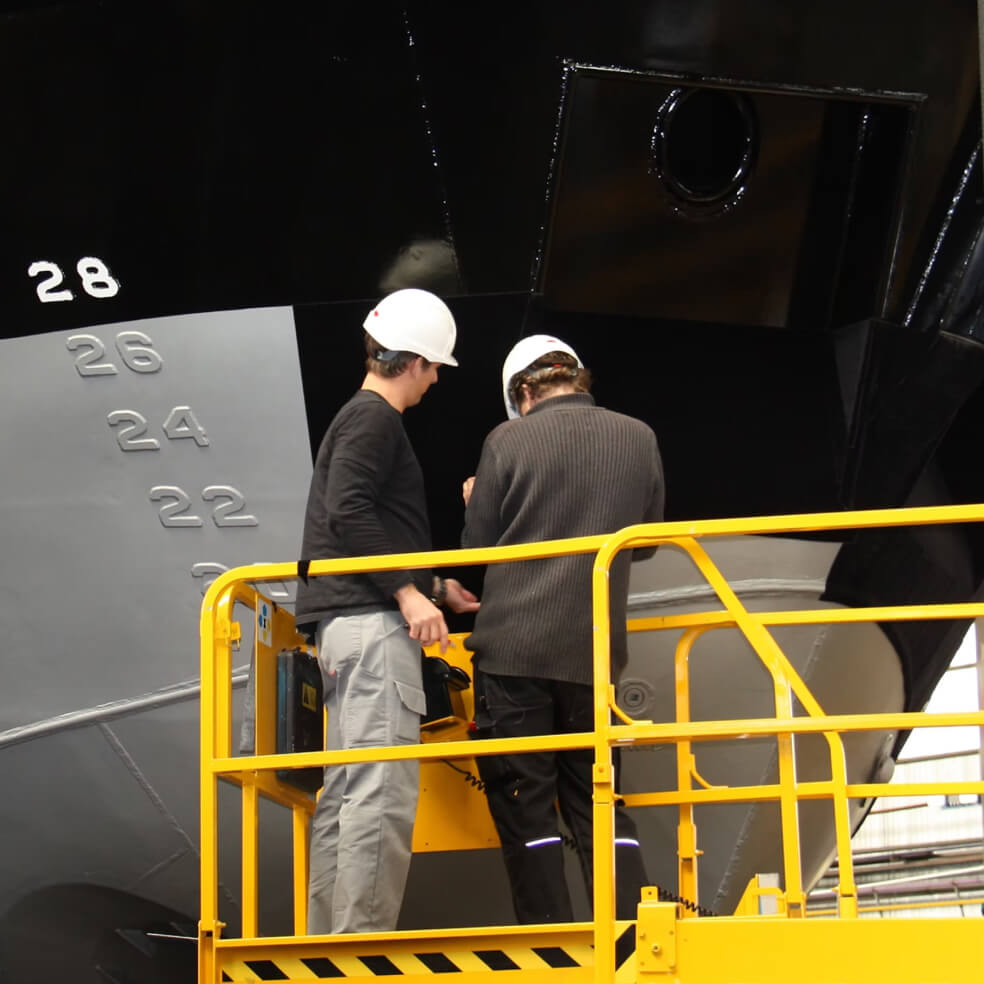
The presence of invasive aquatic species (IAS) may cause damage to marine ecosystems and infrastructure as well as economic losses, and pose risk to human health. Shipping and other mobile structures are pathways for the transfer of IAS through biofouling. Maintaining immersed structures clean from biofouling will minimize the risk of introduction and further spread of IAS. To this effect IMO took action and published the Biofouling Guidelines (resolution MEPC.378(80)), which are the main global reference on how to manage biofouling effectively on all types of ships.
Additionally in 2018, IMO Member States adopted resolution MEPC.304(72) on the IMO strategy to reduce greenhouse gas (GHG) emissions from shipping by at least 50% by 2050. Maintaining the ship’s hull and propeller clean from biofouling translates into operational efficiencies and reduced GHG emissions, which will help achieving decarbonization of shipping.
Global Environment Solutions
Private sector alliances, such as the GIA and the expected outcomes from such alliances, send a clear and optimistic message to the global community and demonstrate that, while the environmental challenges appear to be significant, they are not insurmountable. With the effective and intelligent use of resources and through an integrated and collaborative approach, answers to these challenges will be found, so that industry can continue to work in harmony with the environment.
Ambition of the GIA
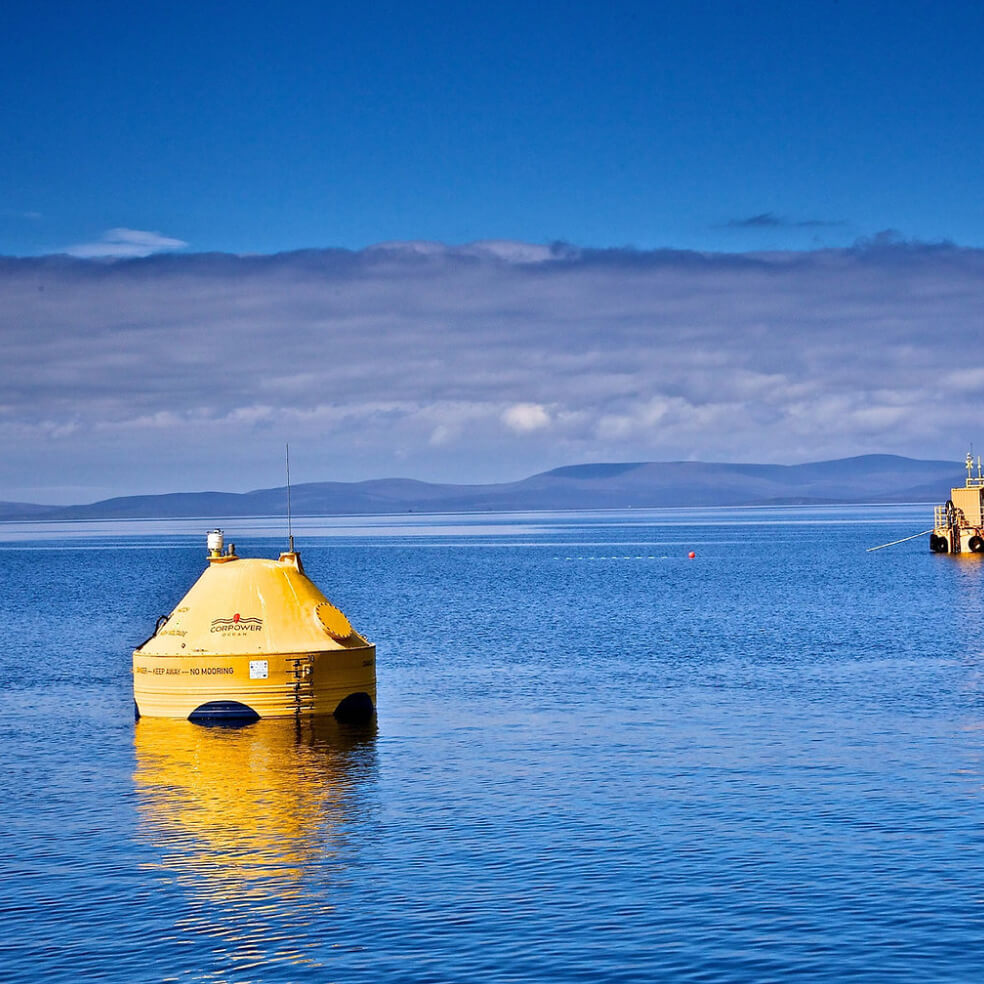
The ambition of the Global Industry Alliance is two-fold: reduce the transfer of harmful invasive species via biofouling and contribute to global efforts to minimize GHG emissions from shipping. The GIA is expected to join forces with the scientific community and intergovernmental organizations to address these two issues. This is expected to protect marine biodiversity, while also addressing climate change.
The GIA for Marine biosafety will continue a string of similar successful initiatives created in previous IMO projects that have set out a lead example and model for public-private partnerships in addressing emerging global marine environmental issues. This experience demonstrates that global environmental problems such as marine bioinvasions will be solved only if the private sector also weighs in with its vast technical resources and expertise. The private sector is, therefore, recognized as an important stakeholder that can play a critical role in addressing marine biosecurity issues, in partnership with IMO and its GloFouling Partnerships Project.
Collective, cross-sectoral initiative
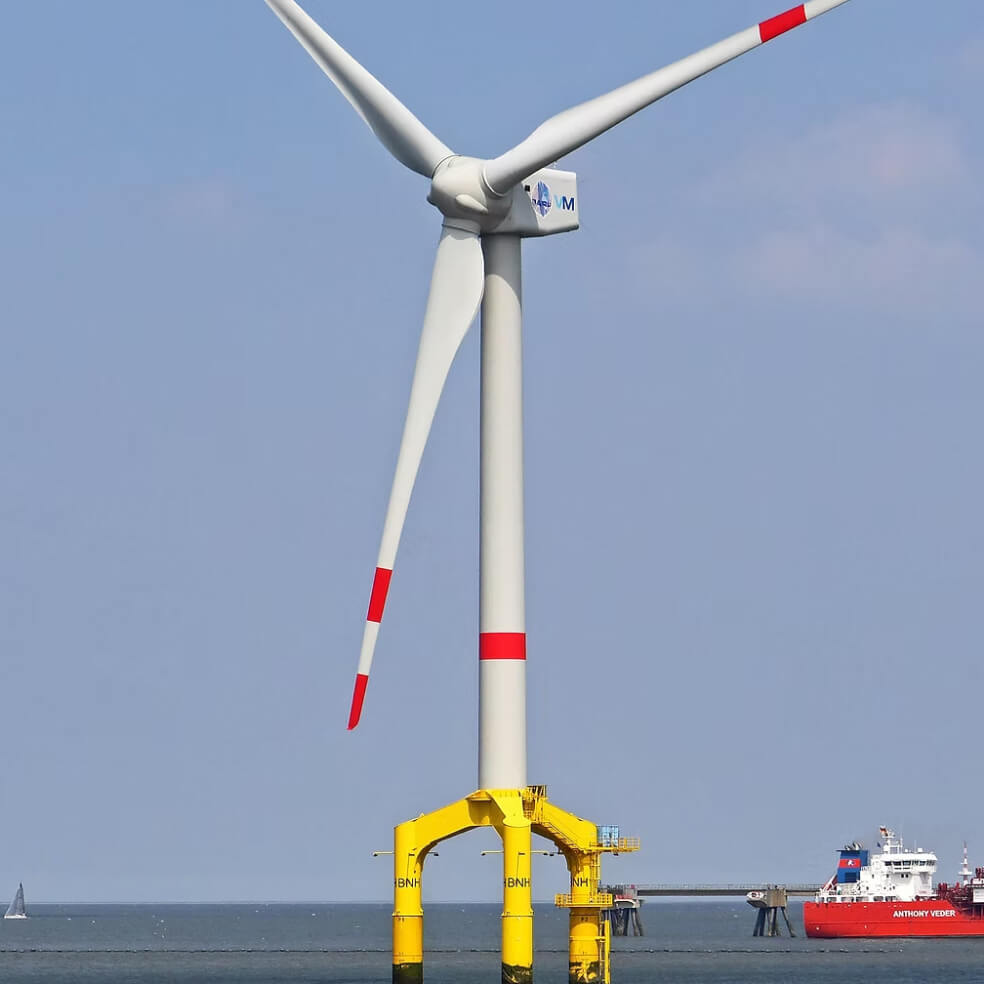
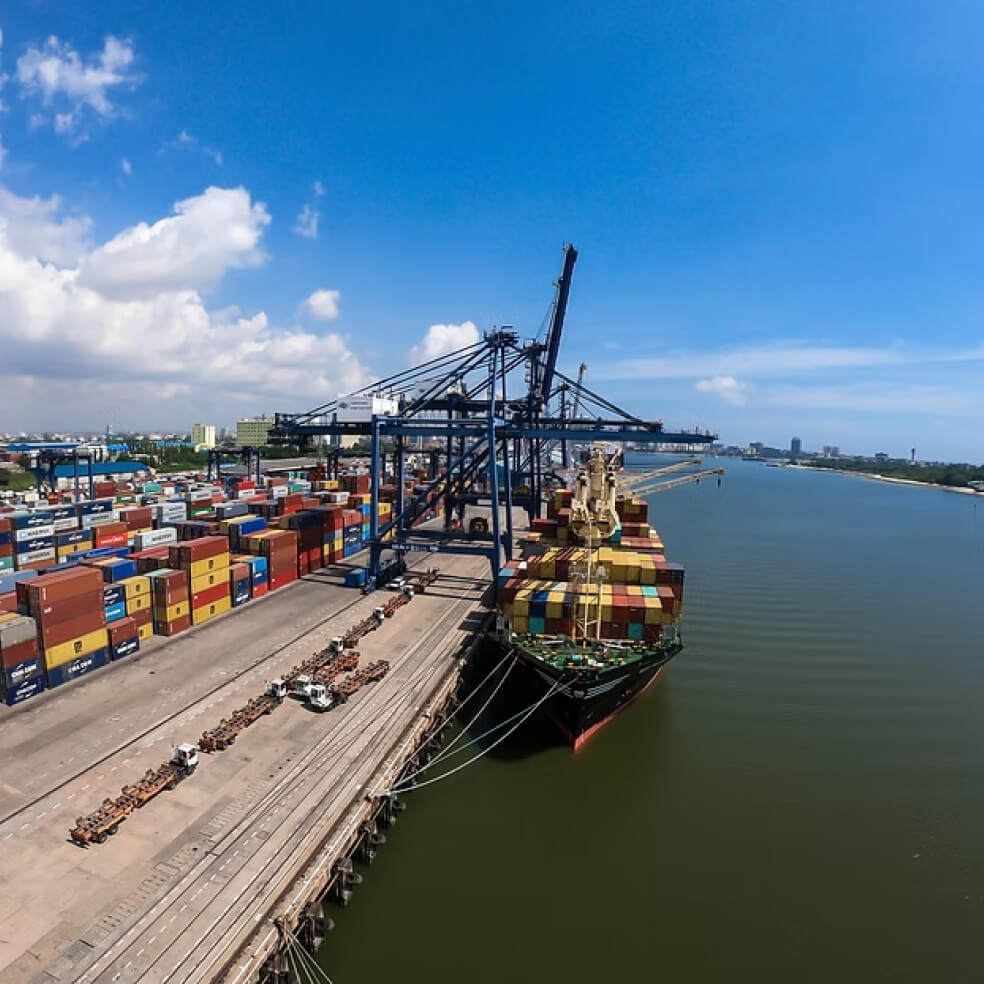
The members of the GIA collectively identify and develop innovative solutions to address common barriers and promote the development and uptake of new technologies and operational measures. All industry sectors and stakeholders affected or interested in biofouling and related best management practices are invited to join the GIA, including: shipping companies, ship operators and managers; ship builders and dockyards; aquaculture industry; ports and marinas; technology developers; offshore oil and gas exploration, and exploitation; deep sea mining companies; marine renewable energy industry; yacht and sailing boat builders; coating/marine paints industry; in-water cleaning service providers; class societies; and P&I clubs.
Funding and governance
The Global Industry Alliance (GIA) Trust Fund, administrated by the IMO and financed through annual membership contributions from committed GIA industry members, provides the necessary financial resources for the GIA to implement selected projects. The members of the GIA form a Task Force deciding on direction and projects. The GloFouling project team at IMO acts as the Secretariat for the Task Force. More information can be found in the GIA Concept Paper.
Areas of Action

Best practices
Contributing to the development of best operational practices.

Dialogue
Facilitating dialogue at the global level to identify and address barriers, and issues related to biofouling management.

Technology
Showcasing innovative, best available technologies and methods through pilot and demonstration projects.

Training
Capacity building through training on best practices and technologies.